How a Public Budget Becomes Policy
The annual budget is more than a spreadsheet: it turns priorities into spending, taxes and accountability.
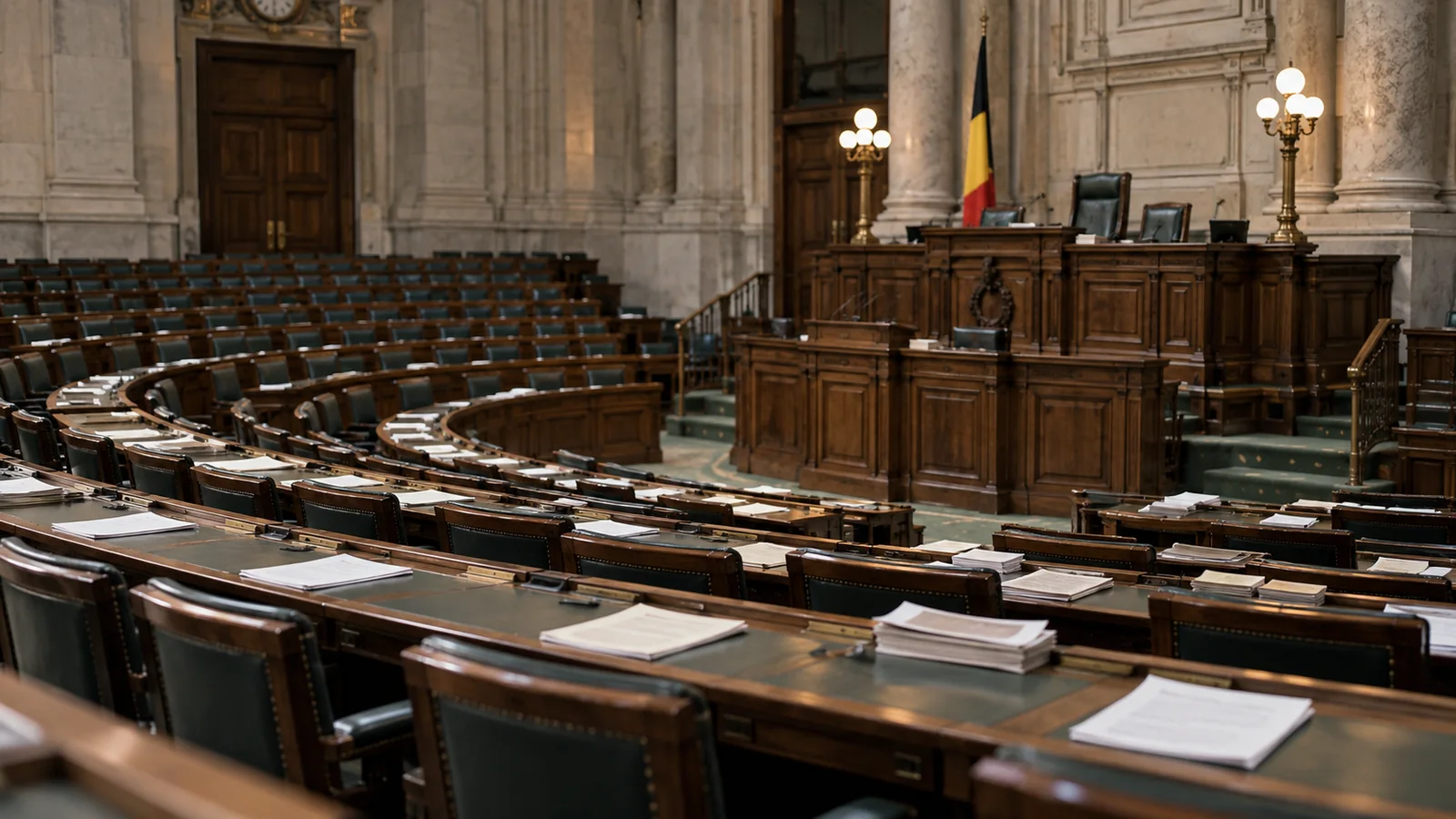
The annual budget is more than a spreadsheet: it turns priorities into spending, taxes and accountability.
KEY TAKEAWAYS- A government budget begins with estimates of revenue and requests from departments.
- Public accounts, audit reports and legislative hearings can show whether a program delivered its intended work.
- A budget projects tax receipts and other income before the year unfolds.
- After lawmakers approve spending, agencies still need to hire staff, procure equipment, negotiate agreements and deliver services.
- Political claims about budgets often choose different baselines.
From proposal to authorization
A government budget begins with estimates of revenue and requests from departments. The executive usually proposes a plan, while legislators debate and authorize spending under the rules of their jurisdiction.
Budget headlines can obscure a basic distinction: an allocation gives an agency authority to spend, but actual spending depends on implementation, procurement and timing. Readers should compare proposed, approved and spent amounts before drawing conclusions.
Following the money
Public accounts, audit reports and legislative hearings can show whether a program delivered its intended work. The most useful questions are concrete: who receives the funding, over what period, and how will results be measured?
A budget also reflects tradeoffs. Debt costs, existing obligations and economic conditions constrain choices even when political leaders agree on a goal. Those limits deserve the same scrutiny as new announcements.
Revenue forecasts are assumptions, not cash in hand
A budget projects tax receipts and other income before the year unfolds. Those projections depend on wages, prices, business activity and legal rules. If the economy changes, the actual amount can be higher or lower. A responsible reading of a budget therefore looks at the assumptions behind the forecast as well as the headline total.
Not all revenue is interchangeable. A grant may be restricted to a particular purpose, while one-time proceeds cannot reliably pay for a permanent program. Similarly, borrowing can finance a long-lived investment but creates future repayment obligations. The distinction between recurring and temporary money is central to whether a policy can be sustained.
Appropriation is only the beginning
After lawmakers approve spending, agencies still need to hire staff, procure equipment, negotiate agreements and deliver services. These steps can take time and may be constrained by rules designed to protect public money. An unspent balance may signal delay, changed demand or deliberate phasing; it is not automatically evidence of either waste or success.
A useful accountability trail connects authorization to contracts, actual payments and outcomes. If a budget funds a school program, for example, the public should be able to distinguish money assigned to the program from money spent on classrooms and from evidence about what students received. Those are different questions, and each deserves an answer.
Compare proposals on a common basis
Political claims about budgets often choose different baselines. One side may compare a proposal with last year's approved amount; another may compare it with the amount an agency requested. Inflation can make an unchanged cash figure buy less. A program can also grow in total while shrinking per person if its eligible population rises.
Readers can ask for a time period, a baseline and the accounting treatment behind every large number. Is a figure annual or spread over several years? Does it include existing programs? Is it an authorization, a forecast or a payment already made? These questions do not settle a policy debate, but they make the debate more precise.
Where citizens can check the record
Many jurisdictions publish budget documents, audit reports and legislative records, although their formats differ. The most valuable pages are often the detailed tables and explanatory notes rather than the summary press release. Independent fiscal offices and auditors may clarify whether projections are credible or a program was delivered as promised.
Budget choices remain political because they reflect values and tradeoffs. Neutral scrutiny does not require pretending every option has the same effects. It requires describing the evidence, the uncertainties and the groups affected, then letting readers evaluate the competing priorities on a clear factual basis.
Spending categories can conceal the service
A budget may organize money by department, program, capital project or economic category such as salaries and equipment. Each view answers a different question. A department total may rise because wages increased, even if it delivers the same services. A capital appropriation may take several years to turn into a completed building. Looking only at the top line can therefore misrepresent what residents will experience.
A useful report follows a specific promise from its public announcement through the detailed budget line and later spending record. If those documents use different labels, reporters should explain the mapping. The goal is to show not just that money was allocated but what the money was intended to buy and whether that service appeared.
The public debate after approval
Once a budget passes, scrutiny should continue. Agencies may transfer funds within legal limits, revise schedules or return unused amounts. Auditors can identify weak controls, but an audit finding still needs careful interpretation: a paperwork failure, poor value and outright misuse are not the same allegation. Distinguishing them protects both accountability and fairness.
Citizens can follow a few important indicators over time instead of trying to master every table. Choose a service that matters locally, note its approved funding, track actual spending and look for an outcome measure. This approach turns a vast document into a practical question: what changed for the people the program was meant to serve?