A Morning Routine That Fits Real Life
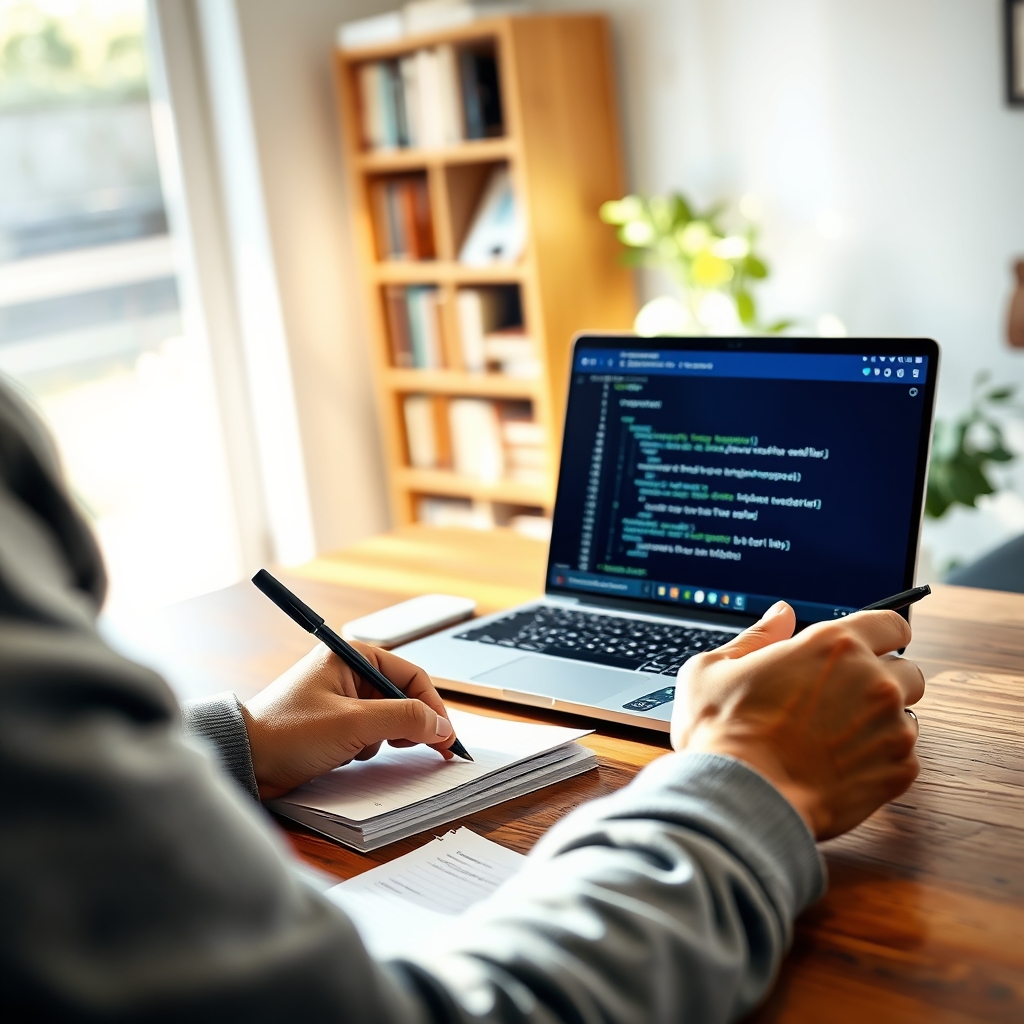
Useful habits begin with a manageable sequence, not an elaborate checklist.

Companies are rethinking where goods are made and how they move, with resilience becoming as important as cost.

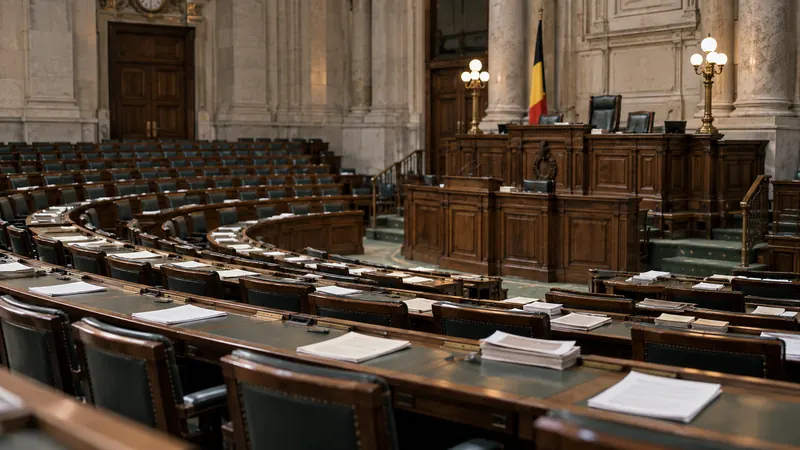
The annual budget is more than a spreadsheet: it turns priorities into spending, taxes and accountability.

A company can have rising orders and still struggle to pay its bills. The timing of money in and out explains why.

The ability to produce more value per hour shapes living standards, but gains do not reach everyone automatically.

Repair, resale and recycling each recover different kinds of value from an old device.

The useful applications are often narrow: drafting, searching and summarizing, with people checking the result.

A reliable picture of a coastline combines samples, sensors and repeated observation over time.

A short list of symptoms, medicines and questions can help patients and clinicians use limited time well.

Shade, surfaces and accessible cooling spaces all affect how heat is experienced at street level.

Beyond lending books, libraries offer a shared civic space for learning, access and connection.

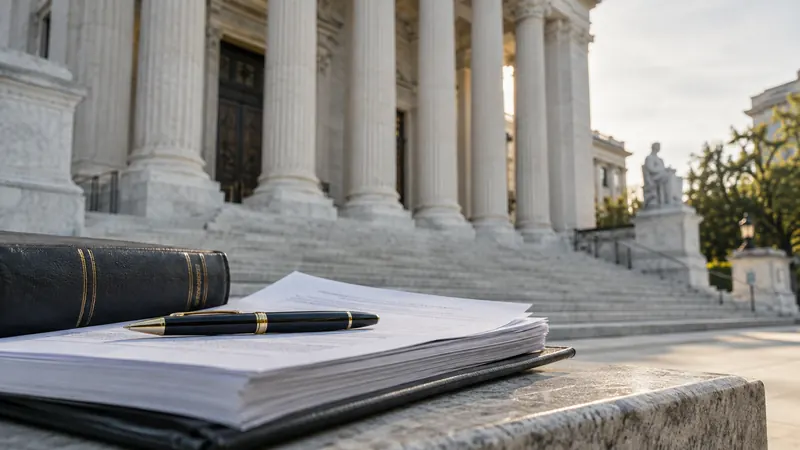
The legal effect of a decision depends on the question presented, the court's reasoning and its jurisdiction.

Labels, placement and provenance can change how a visitor understands the same object.

A performance rests on rehearsals, technical crews and decisions audiences rarely see.

Useful habits begin with a manageable sequence, not an elaborate checklist.

The best feedback tells a learner what to try next and arrives while there is still time to use it.

A visible correction protects the record and helps readers judge how information changed.

A little attention to connections, tickets and accessibility can make rail travel easier.

When a claim travels faster than its evidence, a pause can be a civic habit rather than a retreat.