The Work Behind a Night at the Theater
A performance rests on rehearsals, technical crews and decisions audiences rarely see.
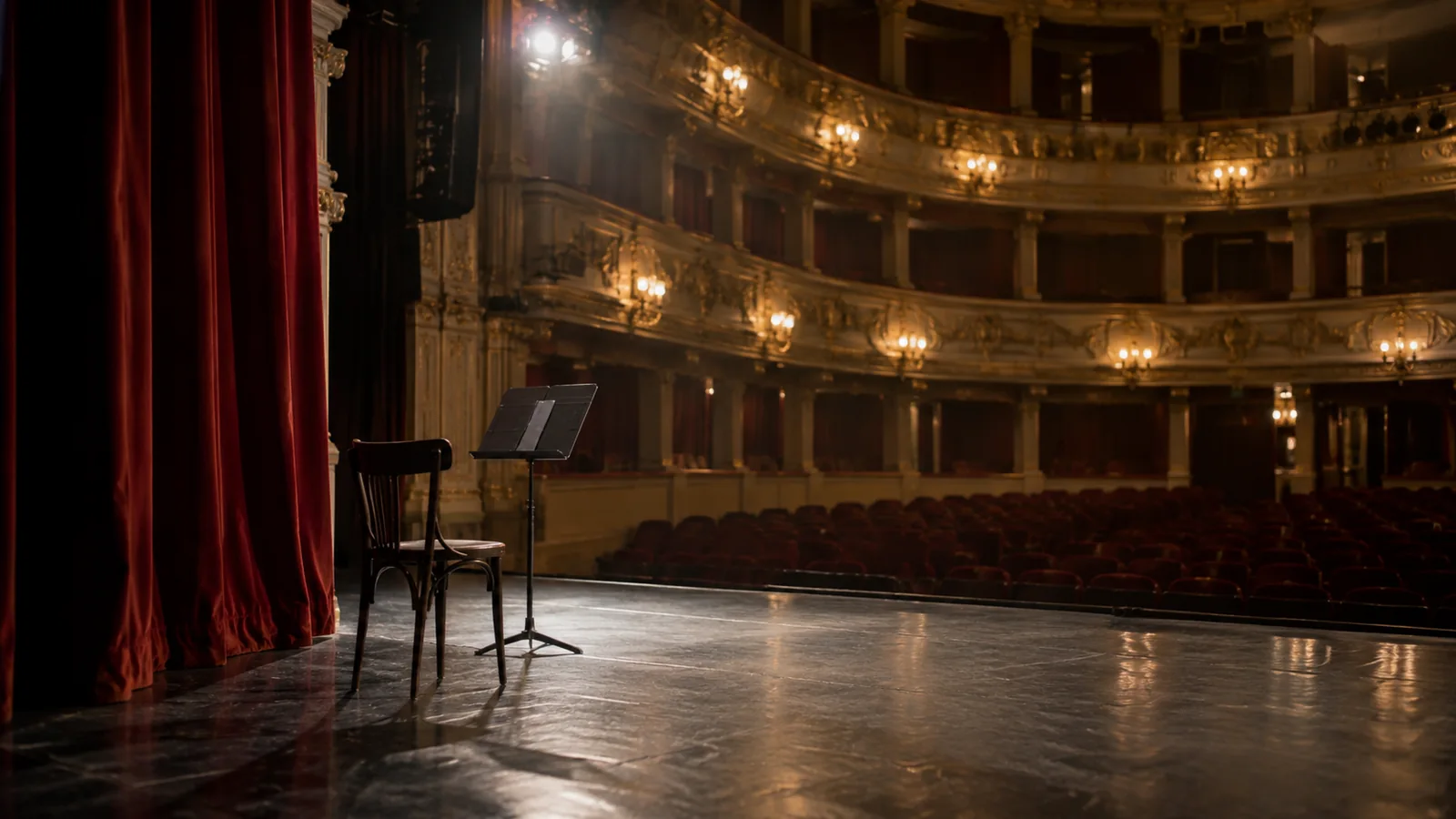
A performance rests on rehearsals, technical crews and decisions audiences rarely see.
KEY TAKEAWAYS- Directors, performers and designers develop a shared interpretation through rehearsal.
- Each performance is slightly different because pacing and audience response vary.
- A script establishes words and situations, but a production must decide how those moments live in a room.
- A live performance depends on cues that occur at the right moment.
- A theater is not a recording played back identically each night.
From script to stage
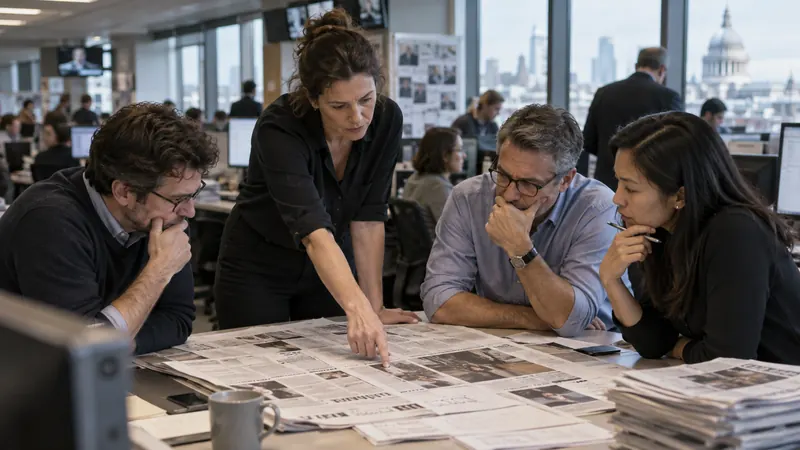
Directors, performers and designers develop a shared interpretation through rehearsal. Lighting, sound, costume and set choices shape the story long before an audience arrives.
The production manager coordinates schedules and practical constraints. A change in a scene can affect cues, furniture, safety checks and the timing of everyone backstage.
A live event keeps changing
Each performance is slightly different because pacing and audience response vary. Stage managers maintain consistency while helping the company handle the unexpected.
Recognizing that collaborative labor changes how a ticket can be understood: the visible performance is one part of a larger creative and technical process.
Rehearsal is a process of choices
A script establishes words and situations, but a production must decide how those moments live in a room. Performers test pacing, movement and relationships while a director considers the shape of the whole evening. Early rehearsals are often exploratory. A scene may feel different once actors stand on a set or hear the music that will accompany it.
This work is collaborative rather than a sequence in which one person has every answer. A costume can change how a performer moves; a lighting idea can shift the emotional focus; a stage manager can identify a practical conflict. The final interpretation emerges through these decisions, revisions and the constraints of time and space.
Technical teams build a repeatable event
A live performance depends on cues that occur at the right moment. Lighting operators, sound teams, stagehands and wardrobe staff coordinate changes that an audience may barely notice when they work well. Each cue needs a clear trigger and a safe path for the people and objects moving backstage.
Technical rehearsals connect the artistic plan with the building's realities. A set piece must fit through an opening; a microphone must work in a particular scene; a lighting transition must be possible without exposing a performer to risk. Solving these details is creative work as well as engineering work.
The audience changes the rhythm
A theater is not a recording played back identically each night. An audience may laugh longer, remain silent or react to a pause in an unexpected way. Performers listen and adjust timing while preserving the production's structure. This responsiveness is one reason the same show can feel different across performances.
Stage managers help hold the evening together. They call cues, maintain records and communicate changes so the company can repeat a complex event. Understudies and swings provide another layer of resilience, preparing to step into roles when needed. Their labor often remains invisible until a performance depends on it.
What a ticket supports
The price of admission contributes to more than the visible cast. Designers, technicians, front-of-house staff, box office workers, cleaners and administrators all help make a performance possible. Venues also carry building, insurance and accessibility costs. Understanding that wider team offers a fuller picture of what it takes to sustain live art.
A theater's choices about scheduling, pricing and access determine who can attend and who can work there. The most successful production is therefore more than an excellent night on stage. It is also a workable process that treats its people well and invites an audience into the experience.
Design must serve the story and the space
A designer may sketch an ambitious set, but it has to fit the venue, budget and rehearsal schedule. Materials must withstand repeated use, and changes must be possible without delaying the performance. A lighting design has similar constraints: it creates focus and atmosphere while allowing performers and crew to work safely.
These limitations can prompt creative solutions. A single movable piece may suggest several locations, and a carefully timed sound cue can establish a place without building it. Theatrical design is not only decoration; it is a practical language that helps an audience understand what the production is asking them to imagine.
A production keeps learning after opening
Opening night is a milestone, not the end of maintenance. Performers can discover clearer timing, technical equipment may need adjustment and a long run requires care for voices, bodies and materials. Stage managers document changes so the performance remains coherent while allowing live energy to continue.
Audience feedback can be informative without becoming the sole artistic guide. A moment that confuses several people may deserve another look; a challenging choice may be intentional. The company weighs those signals against the production's aims. That continuing judgment is part of what makes live theater an evolving collaboration.
The work continues when the curtain falls
After the audience leaves, crews reset equipment, check wear and prepare for the next performance. Performers and stage managers may note a cue that needs attention, while front-of-house staff review how the evening worked for visitors. Those conversations help a production remain safe and coherent across a run. The apparent ease of a live show is often the result of many people making small, careful adjustments night after night.