
Recognizing Vitamin D Deficiency Signs
Understanding the symptoms and risk factors associated with low vitamin D levels and how to address them safely.
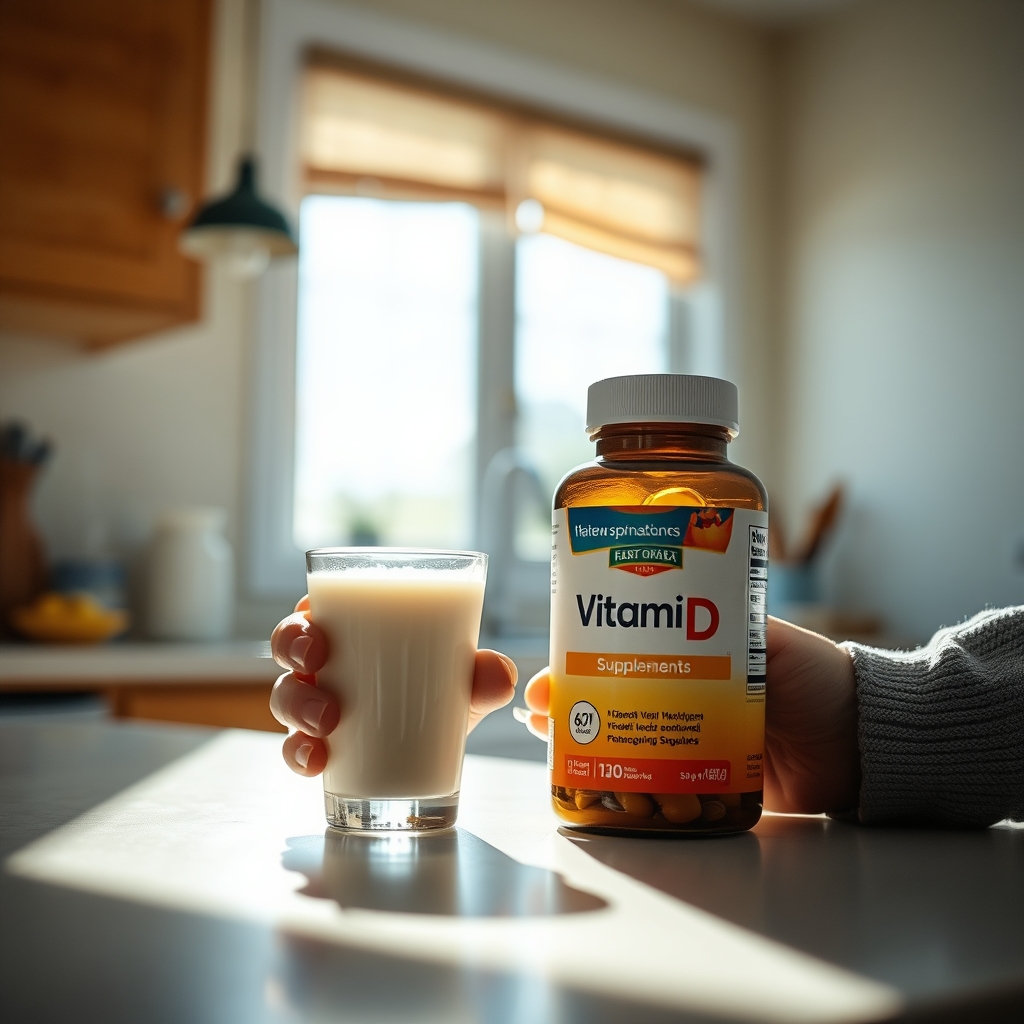
Understanding the symptoms and risk factors associated with low vitamin D levels and how to address them safely.
KEY TAKEAWAYS- Vitamin D deficiency occurs when the body does not have enough of this nutrient to function properly.
- When vitamin D levels drop too low, the body may begin to show specific signs.
- Certain groups of people are more susceptible to developing a deficiency due to biological or lifestyle factors.
- Vitamin D can be obtained through three main sources: sunlight, diet, and supplements.
- [MedlinePlus: Vitamin D Deficiency](https://medlineplus.
What Is Vitamin D Deficiency?
Vitamin D deficiency occurs when the body does not have enough of this nutrient to function properly. Vitamin D plays a critical role in the body's ability to absorb calcium, which is a primary building block for bone health. Beyond bone support, this nutrient is involved in the nervous system, muscle function, and the immune system. Because the body can produce vitamin D naturally through sunlight exposure, but also requires it from diet and supplements, a deficiency can arise from various lifestyle and medical factors.
It is important to note that a deficiency is not always immediately apparent. While some individuals may experience specific symptoms, others may have no signs at all until the condition becomes severe. Because the body relies on this nutrient for multiple systems, a lack of it can have wide-ranging effects on overall health.
Potential Signs and Symptoms
When vitamin D levels drop too low, the body may begin to show specific signs. One of the most common indicators is bone pain and muscle weakness. This occurs because the body struggles to absorb calcium effectively, leading to softer bones or muscles that feel weak and tired. In adults, this can manifest as general discomfort in the bones or difficulty with physical activities that require strength.
In severe cases, a deficiency can lead to specific bone conditions. In adults, prolonged deficiency can result in osteomalacia, a condition characterized by soft bones, bone pain, and muscle weakness. In children, a severe lack of vitamin D can cause rickets, a rare disease where the bones become soft and bend. While rickets is more common in certain groups, such as African American infants and children, it serves as a clear example of the physical impact of insufficient vitamin D.
Who Is at Higher Risk?
Certain groups of people are more susceptible to developing a deficiency due to biological or lifestyle factors. Older adults are at higher risk because their skin is less efficient at producing vitamin D when exposed to sunlight, and their kidneys may have a reduced ability to convert the nutrient into its active form.
Other risk factors include having dark skin, which has a lower capacity to produce vitamin D from the sun, and having conditions that affect nutrient absorption, such as Crohn's disease, ulcerative colitis, or celiac disease. Additionally, people who have had gastric bypass surgery may struggle to absorb enough vitamin D because the procedure bypasses part of the small intestine where absorption occurs. Obesity and the use of certain medications, including some cholesterol and anti-seizure drugs, can also impact vitamin D levels.
Sources and Management
Vitamin D can be obtained through three main sources: sunlight, diet, and supplements. While the body synthesizes vitamin D when the skin is exposed to sunlight, excessive sun exposure carries risks such as skin aging and skin cancer, making dietary and supplemental sources important alternatives.
Natural food sources include fatty fish like salmon and tuna, beef liver, cheese, mushrooms, and egg yolks. Many foods are also fortified with vitamin D, such as milk, breakfast cereals, orange juice, and some dairy products or soy drinks. If dietary intake is insufficient, a healthcare provider may recommend supplements. It is essential to consult a healthcare professional to determine the appropriate amount, as both deficiency and toxicity are possible. Toxicity can occur from overusing supplements and may lead to symptoms like nausea, weakness, and weight loss.
Sources and scope
MedlinePlus: Vitamin D Deficiency
This article was prepared with automated assistance and checked against the linked MedlinePlus summaries; it has not been reviewed by a clinician. It is general information, not a diagnosis or a substitute for personalized medical advice. Seek local medical help for urgent or worsening symptoms.
Explore more
Find more reporting, explanations and practical guides on UShotNews.