
Starting Strength Training Safely
A beginner's guide to resistance exercises and building a routine.
A beginner's guide to resistance exercises and building a routine.
KEY TAKEAWAYS- Strength training, also known as resistance training, is a type of physical activity that uses resistance to induce muscular contraction to build the strength, anaerobic endurance, and size of skeletal muscles.
- There are various ways to engage in strength training, and most people benefit from a combination of different approaches.
- Before beginning any new exercise program, it is important to check with your health care provider, especially if you have trouble moving, balancing, or worry that exercise might not be safe for you.
- You do not need fancy equipment to start strength training.
- [MedlinePlus: Exercise and Physical Fitness](https://medlineplus.
Understanding Strength Training
Strength training, also known as resistance training, is a type of physical activity that uses resistance to induce muscular contraction to build the strength, anaerobic endurance, and size of skeletal muscles. It involves using weights, resistance bands, or your own body weight to build stronger muscles. This form of exercise is distinct from aerobic exercises, which are designed to increase your breathing and heart rate, such as walking, running, or swimming.
Regular participation in strength training can offer several benefits. It can help improve your overall health and fitness, and may reduce your risk for many chronic (long-term) diseases. A key component of this type of exercise is the concept of progressive overload. This means that to continue to make progress, you must gradually increase the difficulty of your workouts over time. This can be done by lifting slightly heavier weights, adding a few more minutes to your activity, or increasing your pace.
Types of Resistance Exercises
There are various ways to engage in strength training, and most people benefit from a combination of different approaches. One common method is using free weights, such as dumbbells or kettlebells. These tools are versatile and affordable options for strength training. Resistance bands are another accessible tool that can be used to build muscle strength.
Bodyweight exercises are another effective way to build strength without equipment. These movements utilize your own weight as resistance. Examples include push-ups, squats, and lunges. These exercises can be performed anywhere and are a convenient way to start a strength training routine.
It is also important to include exercises that strengthen the core. The core refers to the muscles in your abdomen (belly), back, and hips. A strong core helps with balance and stability and can lower your risk of back injuries.
Building a Safe Routine
Before beginning any new exercise program, it is important to check with your health care provider, especially if you have trouble moving, balancing, or worry that exercise might not be safe for you. Your provider can help you choose the best type or amount of activity for you based on your fitness level and health.
When starting out, it is crucial to build up your activity level slowly. This helps you continue to get stronger, faster, or more flexible without pushing too hard all at once. Show up regularly, even for short sessions, to help you continue to make progress. Consistency is a key factor in developing fitness habits.
If you haven't exercised in a while, start slowly. It is also important to exercise safely. Use proper equipment to prevent injuries, listen to your body, and don't overdo it. If you don't feel right, or have any pain, extreme shortness of breath, or dizziness, stop exercising and seek help right away.
Finding Your Space and Staying Motivated
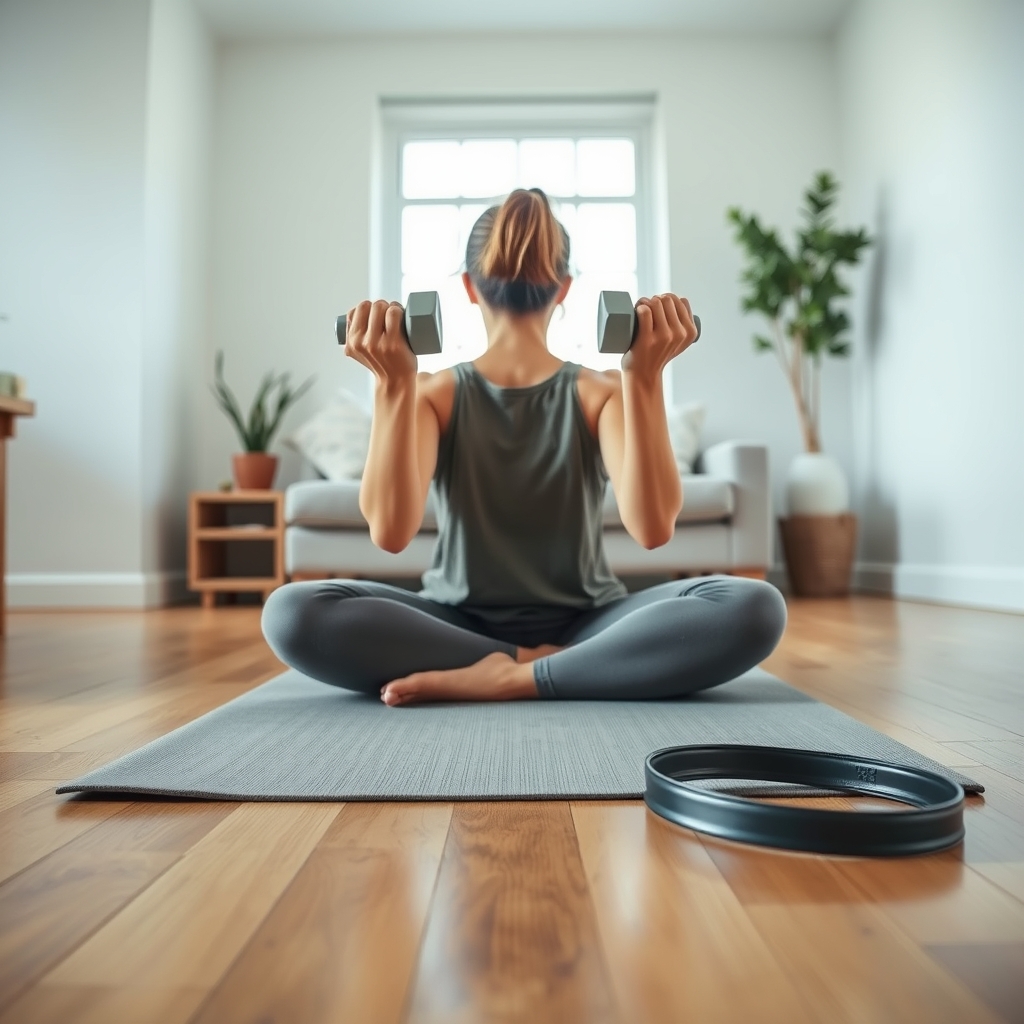
You do not need fancy equipment to start strength training. Having the right tools can make it easier and more fun. A variety of places where you can exercise include your home, a fitness center, or outdoors. At home, you might use dumbbells, a mat, or resistance bands. A fitness center offers equipment, classes, and sometimes personal trainers for guidance and support. Outdoors, you might try walking in a local park or trail.
Fitting regular exercise into your daily schedule may seem difficult at first. You can start slowly and break your exercise time into chunks. Even small amounts of exercise can be helpful. You can work your way up to doing the recommended amount of exercise, which depends on your age and health.
Staying motivated can be a challenge. Here are some ways to keep going: Choose activities you enjoy, as it is easier to make exercise a regular part of your life if you have fun doing it. Give yourself goals that are challenging but realistic. It may be helpful to reward yourself when you reach them. Find an accountability partner, such as a friend, or join a group challenge. You can also use wearable technology, like a pedometer or a fitness tracker on your phone, to help you track your progress.
Sources and scope
MedlinePlus: Exercise and Physical Fitness
This article was prepared with automated assistance and checked against the linked MedlinePlus summaries; it has not been reviewed by a clinician. It is general information, not a diagnosis or a substitute for personalized medical advice. Seek local medical help for urgent or worsening symptoms.
Explore more
Find more reporting, explanations and practical guides on UShotNews.