How Museums Shape the Stories Objects Tell
Labels, placement and provenance can change how a visitor understands the same object.
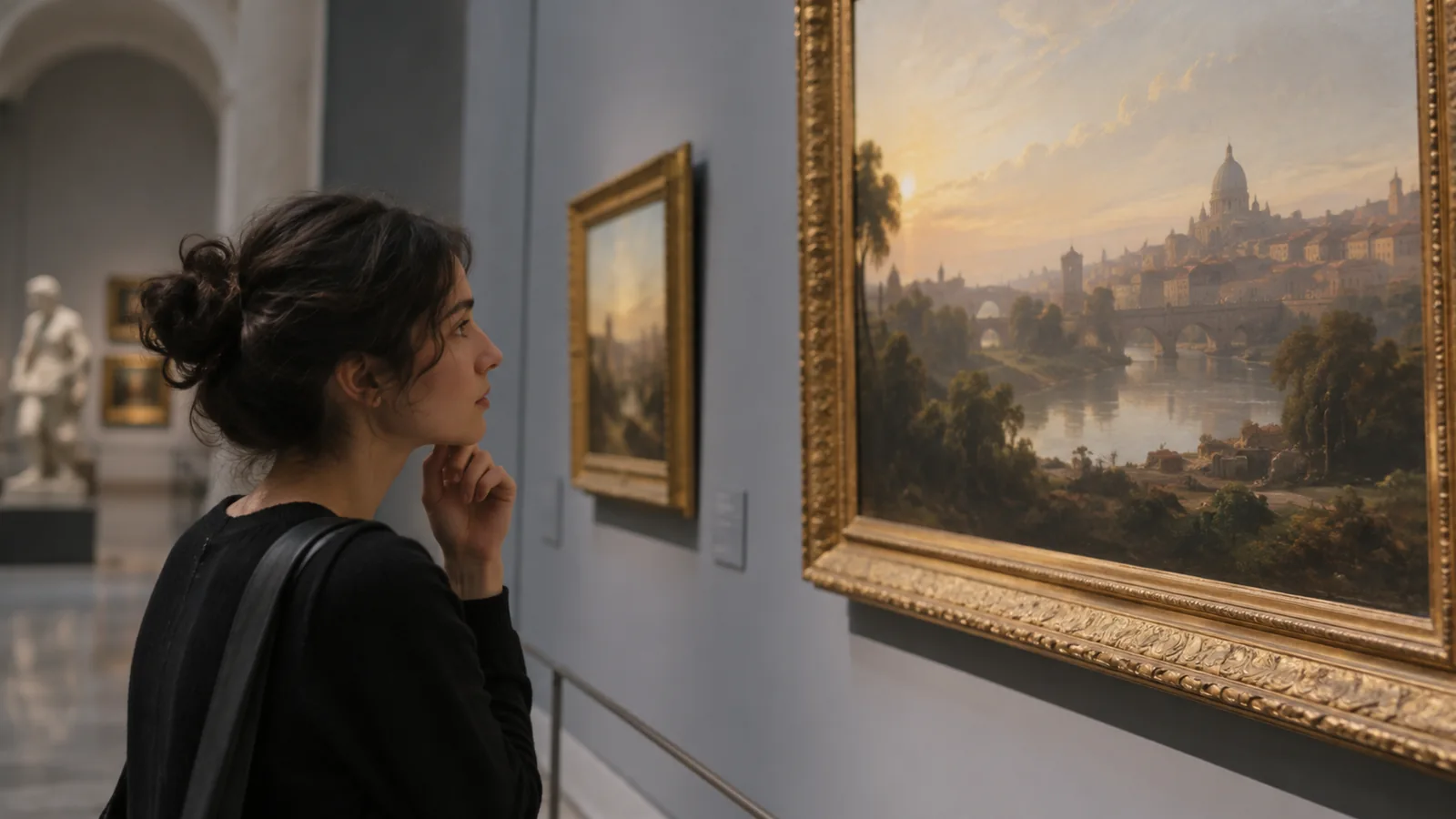
Labels, placement and provenance can change how a visitor understands the same object.
KEY TAKEAWAYS- A museum object rarely speaks for itself.
- Museums increasingly work with communities connected to the objects they display.
- A short wall label cannot include everything known about an object.
- Provenance records ownership and movement over time.
- Lighting, height, neighboring objects and the route through a gallery affect what people notice.
Context is part of the collection
A museum object rarely speaks for itself. Curators choose which period, maker and social setting to emphasize. Those choices help visitors, but they also leave other perspectives outside the frame.
Provenance—the record of where an object came from and how it changed hands—can be as important as its style. Clear provenance notes let visitors see what is known and what remains uncertain.
A more open conversation
Museums increasingly work with communities connected to the objects they display. That can improve labels, access and decisions about care or return.
A good exhibition gives enough context to invite questions rather than closing them. Visitors can look for source notes, dates and competing interpretations as they move through the gallery.
A label is an editorial choice
A short wall label cannot include everything known about an object. Curators select a date, a maker, a place and a question that will help visitors begin looking. That selection can be illuminating, but it also shapes the story. A label focused on artistic technique may leave labor, trade or colonial history in the background.
Visitors can ask what the label treats as certain and what it leaves open. Does it identify the person who made the object, the people who used it and the route by which it entered the collection? A museum that states gaps in its knowledge invites a more honest conversation than one that fills every silence with confidence.
Provenance is part of meaning
Provenance records ownership and movement over time. It can help authenticate an object, but it also raises ethical questions about sale, gift, coercion or removal during conflict. A missing period in the record is itself useful information. It tells visitors where the institution's knowledge stops and where research remains necessary.
No single label can resolve every contested history. Museums may publish longer collection records, explain how they conduct research and engage with communities connected to an object. Those steps allow visitors to see the evidence behind a display rather than treating the gallery wall as the final word.
Design changes interpretation
Lighting, height, neighboring objects and the route through a gallery affect what people notice. Two objects placed together may be read as similar even when they came from different cultures or periods. A dramatic isolated display can emphasize beauty while reducing the sense of everyday use.
Curators can make these choices visible through maps, timelines, audio or multiple voices. Accessibility also matters: readable text, seating, language options and alternative formats affect who can engage with the story. A compelling exhibition is not only about what it shows, but about how many people can understand and question it.
The visitor has a role
Visitors need not accept every interpretation or reject expertise altogether. They can compare the object, the label and any source information, then ask what another framing would reveal. A gallery becomes more valuable when it supports curiosity rather than requiring passive agreement.
Museums also learn from people who bring family memory, craft knowledge or community history to a collection. That does not erase the need for careful evidence. It broadens the questions the institution asks and can correct an account that once seemed complete only because some voices were absent.
Collection records can change
Research may reveal a maker's name, correct a date or establish a new chapter in an object's ownership. A museum that updates its online record and explains the change demonstrates that interpretation is a continuing process. The earlier label was not necessarily careless; new evidence can legitimately alter a well-supported account.
Digital collections can make that process visible by linking objects to documents, conservation notes and related works. They also need to show uncertainty in a readable way. A database field with a question mark means little without an explanation of what is uncertain and why.
Ethics and interpretation meet
Questions about where an object should be kept are not separate from what a museum says about it. An institution's authority to display an item may be contested, and communities connected to it may understand its meaning differently. Curators should distinguish documented history from an institutional position and make relevant conversations visible.
This does not mean every exhibition must offer a single final answer to a difficult question. It means the object can be presented with enough context for visitors to see why the question exists. A museum earns trust by being precise about evidence, open about limits and willing to revise its account.
Reading a gallery with care
On a next museum visit, choose one object and notice how its story is framed. Read the label, look for a date and provenance, then consider which questions remain unanswered. The exercise is not to catch the museum in an error; it is to see interpretation as a process built from evidence and choices. An institution that provides more than one way into that process gives visitors a deeper encounter with the collection.