Foods That Help Manage Blood Glucose
Understanding how different foods impact blood sugar levels is a key part of managing health and energy.

Understanding how different foods impact blood sugar levels is a key part of managing health and energy.
KEY TAKEAWAYS- Blood glucose, often referred to as blood sugar, is the primary sugar found in the blood.
- The foods a person eats have a direct impact on blood glucose levels.
- Managing blood glucose involves making food choices that help keep levels within a target range.
- To help control blood glucose, it may be necessary to limit the intake of certain foods and drinks.
- Managing blood glucose is a complex process that varies from person to person.
Understanding Blood Glucose
Blood glucose, often referred to as blood sugar, is the primary sugar found in the blood. It serves as the body's main source of energy, derived from the food people eat. When food is digested, it is broken down into glucose and released into the bloodstream. As blood glucose levels rise, the pancreas releases insulin, a hormone that facilitates the movement of glucose into cells for use as energy.
For individuals with diabetes, this process is disrupted. Diabetes is a condition characterized by blood glucose levels that are too high. This can happen because the body does not produce enough insulin, cannot use it effectively, or both. When insulin is insufficient, glucose remains in the bloodstream rather than entering the cells, leading to elevated levels. Over time, consistently high blood glucose can contribute to serious health complications.
The Role of Carbohydrates
The foods a person eats have a direct impact on blood glucose levels. The main nutrients that affect these levels are carbohydrates, often called 'carbs.' Carbohydrates are found in foods such as breads, tortillas, rice, pasta, starchy vegetables like potatoes and corn, fruits, milk, yogurt, and sweets.
The body breaks down carbohydrates into glucose. Therefore, the amount of carbohydrates consumed is a significant factor in determining how much blood sugar rises after eating. Foods that are high in carbohydrates tend to cause a more rapid increase in blood glucose levels compared to foods that contain fewer carbohydrates.
Foods to Include in a Balanced Diet
Managing blood glucose involves making food choices that help keep levels within a target range. While there is no single diet that works for everyone, eating a variety of healthy foods from all food groups is generally recommended. This approach helps ensure the body receives necessary nutrients while supporting stable blood sugar.
Fruits and vegetables are important components of a balanced diet. They provide essential vitamins and minerals. Whole grains, such as whole wheat, brown rice, barley, quinoa, and oats, are often preferred over refined grains because they contain more fiber, which can help slow the absorption of sugar into the bloodstream.
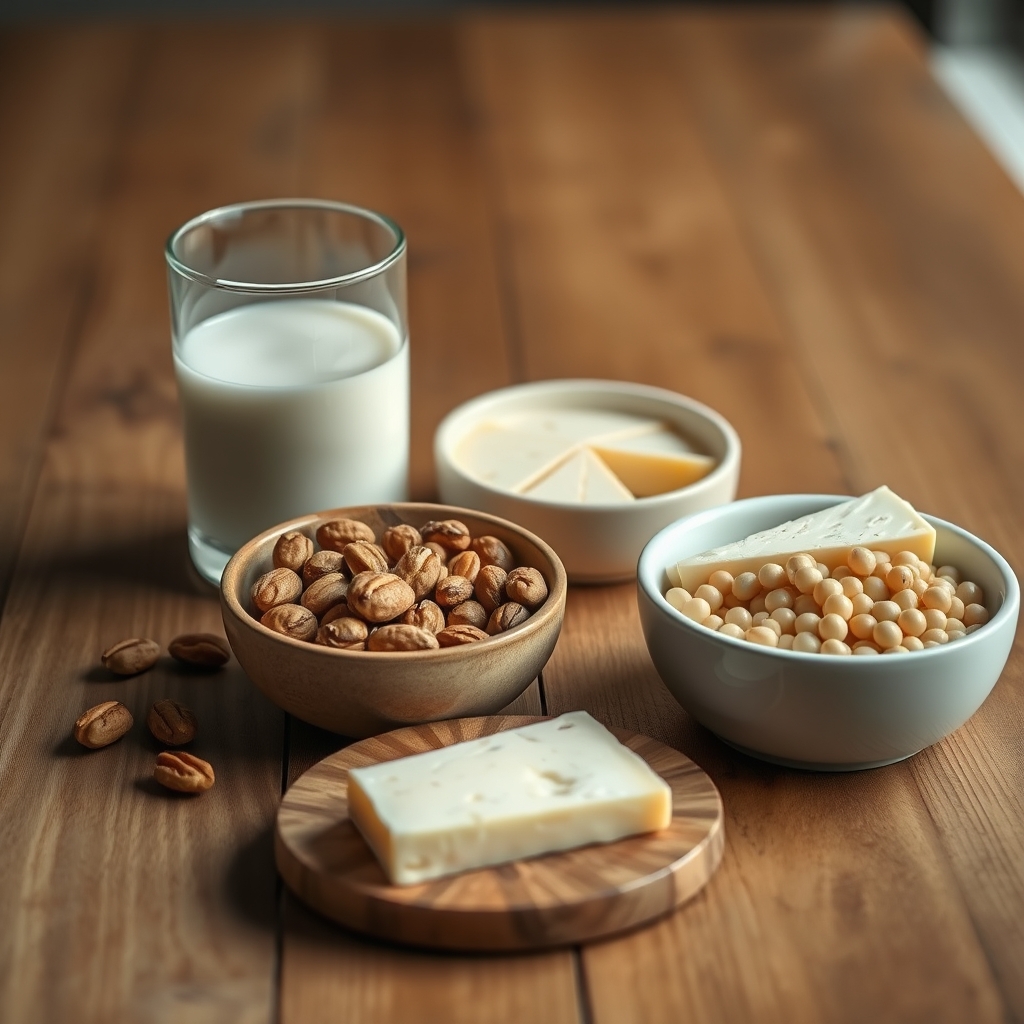
Protein sources, including lean meats, chicken, turkey, fish, eggs, nuts, beans, lentils, and tofu, are also essential. These foods do not significantly raise blood glucose levels but provide the body with the building blocks it needs. Additionally, nonfat or low-fat dairy products, such as milk, yogurt, and cheese, are part of a healthy eating plan.
Foods to Limit
To help control blood glucose, it may be necessary to limit the intake of certain foods and drinks. This does not necessarily mean eliminating them entirely, but rather consuming them less frequently or in smaller amounts.
High-carbohydrate foods and drinks are the primary focus. This includes sugary foods like candy, cookies, cake, and ice cream, as well as sweetened cereals and canned fruits with added sugar. Beverages with added sugars, such as regular soda and sweetened juices, can cause significant spikes in blood glucose.
Refined grains and starches, such as white rice, tortillas, breads, and pasta made with white flour, should also be limited. Starchy vegetables like white potatoes and corn, as well as fried foods high in saturated and trans fats, and foods high in sodium, should be consumed with caution. Alcohol can also affect blood sugar levels and should be consumed in moderation if approved by a healthcare provider.
Working With a Healthcare Team
Managing blood glucose is a complex process that varies from person to person. Factors such as age, weight, other health conditions, and lifestyle all play a role in determining the best approach. It is important to work with a healthcare team, which may include a doctor, a registered dietician, or a diabetes educator.
These professionals can help design an eating plan that is tailored to individual needs. They can provide guidance on how much to eat, when to eat, and how to count carbohydrates if necessary. Regular monitoring of blood glucose levels, either through finger-prick tests or continuous glucose monitoring, is also a standard part of managing diabetes and understanding how food choices affect the body.
Sources and scope
This article was prepared with automated assistance and checked against the linked MedlinePlus summaries; it has not been reviewed by a clinician. It is general information, not a diagnosis or a substitute for personalized medical advice. Seek local medical help for urgent or worsening symptoms.
Explore more
Find more reporting, explanations and practical guides on UShotNews.