Understanding Dietary Protein Needs
Protein comes from many foods; the amount and mix that make sense depend on the person.
Protein comes from many foods; the amount and mix that make sense depend on the person.
KEY TAKEAWAYS- Protein supplies amino acids used to build and repair body tissues.
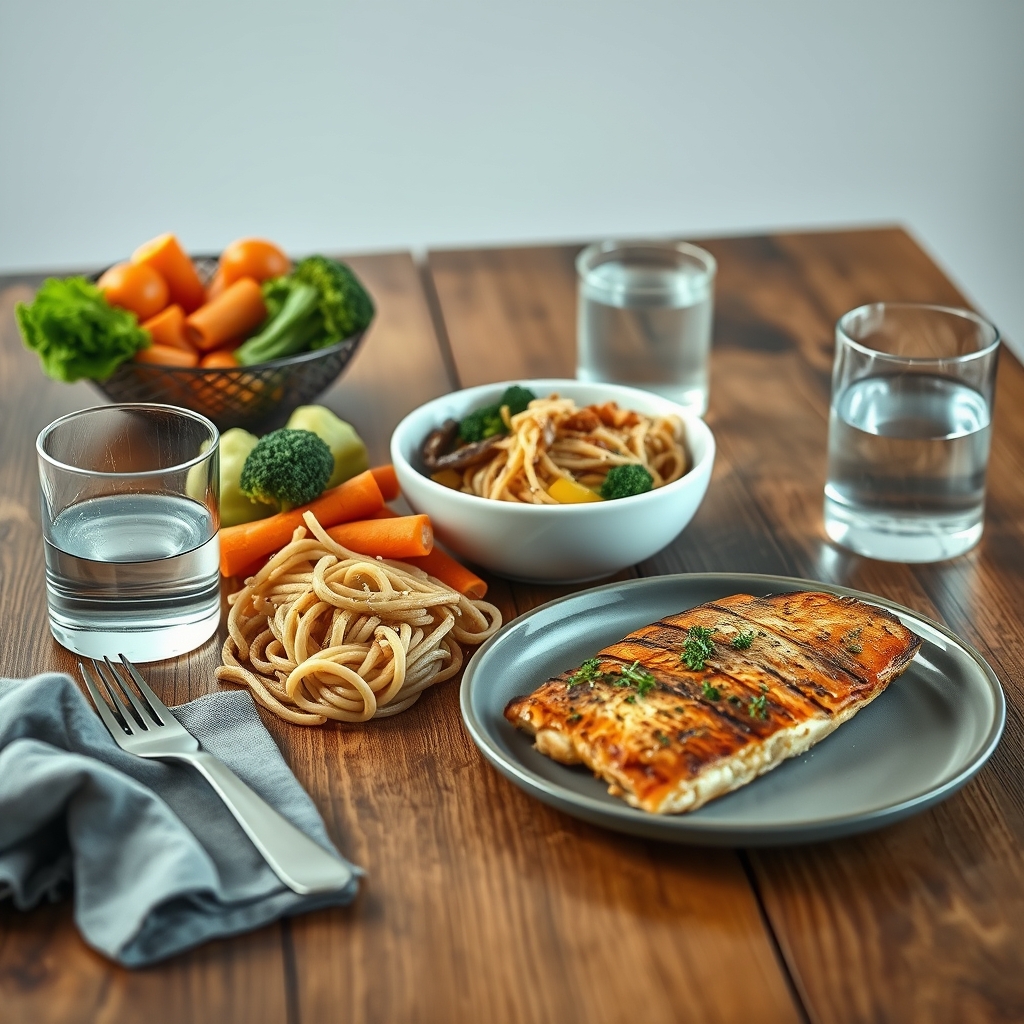
- An ordinary day might include yogurt or tofu at breakfast, beans at lunch, and fish, eggs, lentils, or another protein food at dinner.
- When comparing packaged foods, look at serving size as well as protein.
- Write the product’s serving size and the protein shown for that serving.
What protein does
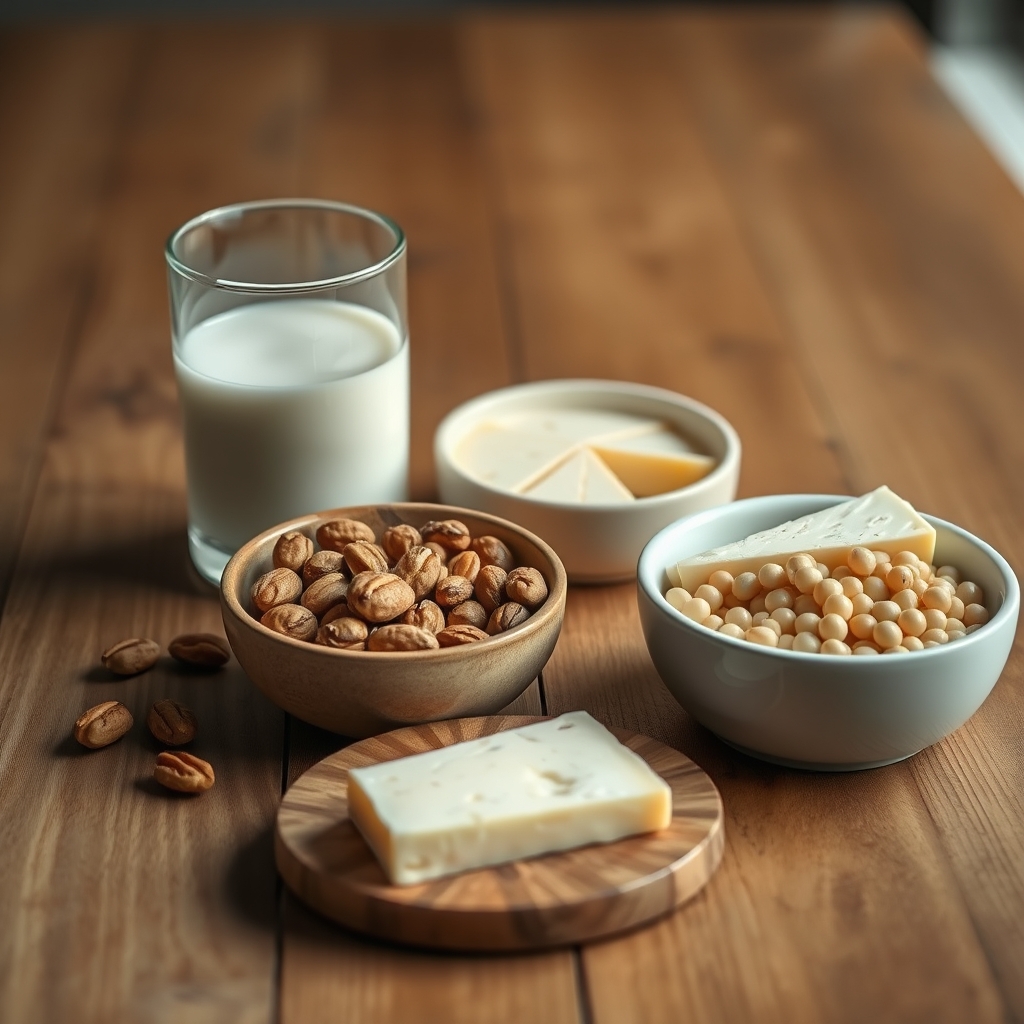
Protein supplies amino acids used to build and repair body tissues. Some amino acids must come from food. People can obtain protein from animal foods and from plant foods such as beans, lentils, tofu, nuts, and seeds.
Plant-based eating does not require combining particular proteins at every meal. A varied diet across the day can provide essential amino acids. Soy foods are one example of a plant protein that supplies all essential amino acids.
Choose foods, not a headline number
An ordinary day might include yogurt or tofu at breakfast, beans at lunch, and fish, eggs, lentils, or another protein food at dinner. Meals also need other nutrients, including fiber-rich foods. Protein powder is not automatically necessary to eat well.
Protein needs change with age, body size, activity, and health. A person with kidney disease, pregnancy-related needs, or a medically prescribed diet should ask a clinician or registered dietitian about an appropriate amount rather than follow a generic online target.
A practical label check
When comparing packaged foods, look at serving size as well as protein. Consider sodium, added sugar, and saturated fat in the whole product. A high-protein claim does not by itself make a food the best choice for your situation.
Compare a food label before following a headline
Write the product’s serving size and the protein shown for that serving. Then record any other label information relevant to your own plan and the question you want to ask. Comparing one serving with a different serving size can give a misleading impression.
You can also record familiar protein foods that fit your budget and preferences. The worksheet does not generate a daily gram target or recommend a protein powder. Ask a qualified professional about individual needs, especially if you follow a therapeutic diet.
Sources and scope
Prepared with AI assistance. The scope and source links were reviewed on October 26, 2026; this article has not been reviewed by a clinician. It is general educational information, not diagnosis or individual treatment advice. The UShotNews worksheet is an organizing aid, not a validated medical assessment. Seek appropriate local help for urgent or worsening symptoms.
Understanding Dietary Protein Needs — worksheet
Use this sheet to organize your own notes. Entries stay in this tab and are not saved or sent to UShotNews. Reloading clears them. This is a question-organizing aid, not a diagnostic test or treatment plan.
Explore more
Find more reporting, explanations and practical guides on UShotNews.