The Many Jobs of a Public Library
Beyond lending books, libraries offer a shared civic space for learning, access and connection.
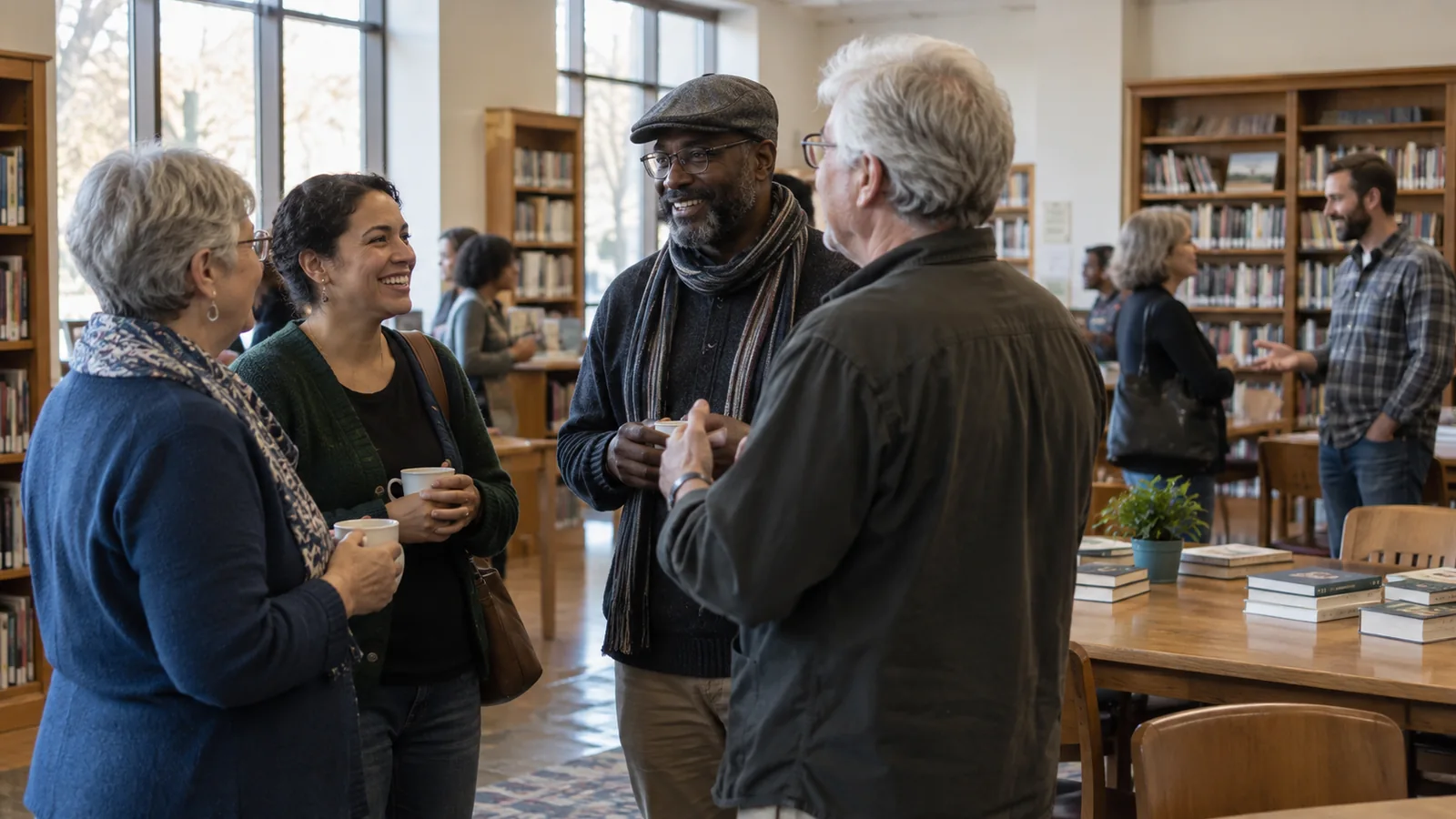
Beyond lending books, libraries offer a shared civic space for learning, access and connection.
KEY TAKEAWAYS- A public library can provide books, internet access, help finding reliable information and a quiet place to study.
- Libraries balance competing needs: quiet study, events, digital support and preservation.
- A library card may open a collection of physical and digital books, but the building itself can be just as important.
- Librarians and other staff organize collections, answer questions and help visitors assess information.
- Libraries are open to many people for many purposes: quiet reading, children's activities, study groups and public meetings.
A place to start
A public library can provide books, internet access, help finding reliable information and a quiet place to study. Its exact services vary by community and funding, but the common feature is low-barrier access.
For someone applying for a job, learning a language or helping a child with homework, a nearby library can make resources available without requiring a purchase.
Keeping the space useful
Libraries balance competing needs: quiet study, events, digital support and preservation. Staff expertise is central because a collection is useful only when people can navigate it.
Debates over library policy should begin with the services residents use and the legal responsibilities of the institution. Transparent rules and local participation help a shared space remain trustworthy.
Access includes more than a shelf
A library card may open a collection of physical and digital books, but the building itself can be just as important. Computers, internet access, a table and a trained person to ask can turn a complicated task into a manageable one. These services help people with different incomes, ages and levels of digital confidence.
The value is especially clear when a service moves online. An application form may be available on the web, yet a resident still needs a device, connection and help understanding the instructions. Libraries often provide that bridge. Their work is not a replacement for well-designed public services, but it can make those services usable.
Staff expertise is the hidden asset
Librarians and other staff organize collections, answer questions and help visitors assess information. They may guide someone toward a reliable source without deciding what that person should believe. They also plan events, maintain digital resources and make the space work for users whose needs sometimes conflict.
That expertise is easy to overlook when success is measured only by how many books leave the building. A busy computer desk, a language-learning session or help with a research question can matter just as much. Evaluation should reflect the services a community asks the library to provide.
A shared space needs clear rules
Libraries are open to many people for many purposes: quiet reading, children's activities, study groups and public meetings. Clear policies help staff manage noise, safety and access fairly. Those rules should be transparent and applied consistently, while allowing room for the library's role as a welcoming public institution.
Decisions about collections and programming can draw intense disagreement. The most constructive discussions identify the institution's legal duties, professional standards and local needs, then make the decision process visible. Treating every disagreement as a verdict on the entire library can obscure the practical question of how it serves its community.
The case for measuring usefulness
A library can ask who is using its services, who is not and what barriers remain. Opening hours, transport, language, disability access and digital design all affect reach. Circulation figures provide one signal, but attendance, requests for help and community feedback can reveal needs that a checkout count misses.
The library's strength lies in combining resources with a place people can enter without being expected to buy something. That combination is unusual. Protecting it requires funding, trained staff and a willingness to adapt as the way people read, learn and communicate changes.
Digital collections have real constraints
An electronic book may feel weightless to a reader, but a library's access can depend on licensing terms, device compatibility and continuing fees. A title available today may not remain available under the same conditions. Libraries must weigh those costs alongside physical collections and the needs of users who prefer or require print.
Digital access also assumes a device, connection and confidence with an app. Staff support and accessible design help bridge that gap. A library that invests in digital resources without helping people use them can widen the very access divide it hopes to close.
Why the building still matters
A public reading room offers something different from a download: a place to concentrate, meet others or spend time without being sold a product. Children can discover books, students can work and adults can seek help in the same institution. That mix can make the library a rare shared space across generations.
Keeping such a space welcoming requires staff, upkeep and thoughtful rules. The value is easy to miss because many benefits are quiet: a form completed, a question answered, a child finding a book. Measuring only the most visible events would understate the library's everyday contribution.
A question for the next budget
When a library budget is debated, the right question is not only how many books were borrowed last year. Decision-makers should ask which services residents use, which people are still unable to reach them and what level of staffing makes the space safe and useful. Cutting opening hours can reduce demand on paper by making visits impossible. A thoughtful assessment looks at access and outcomes alongside cost, then explains the tradeoffs publicly.