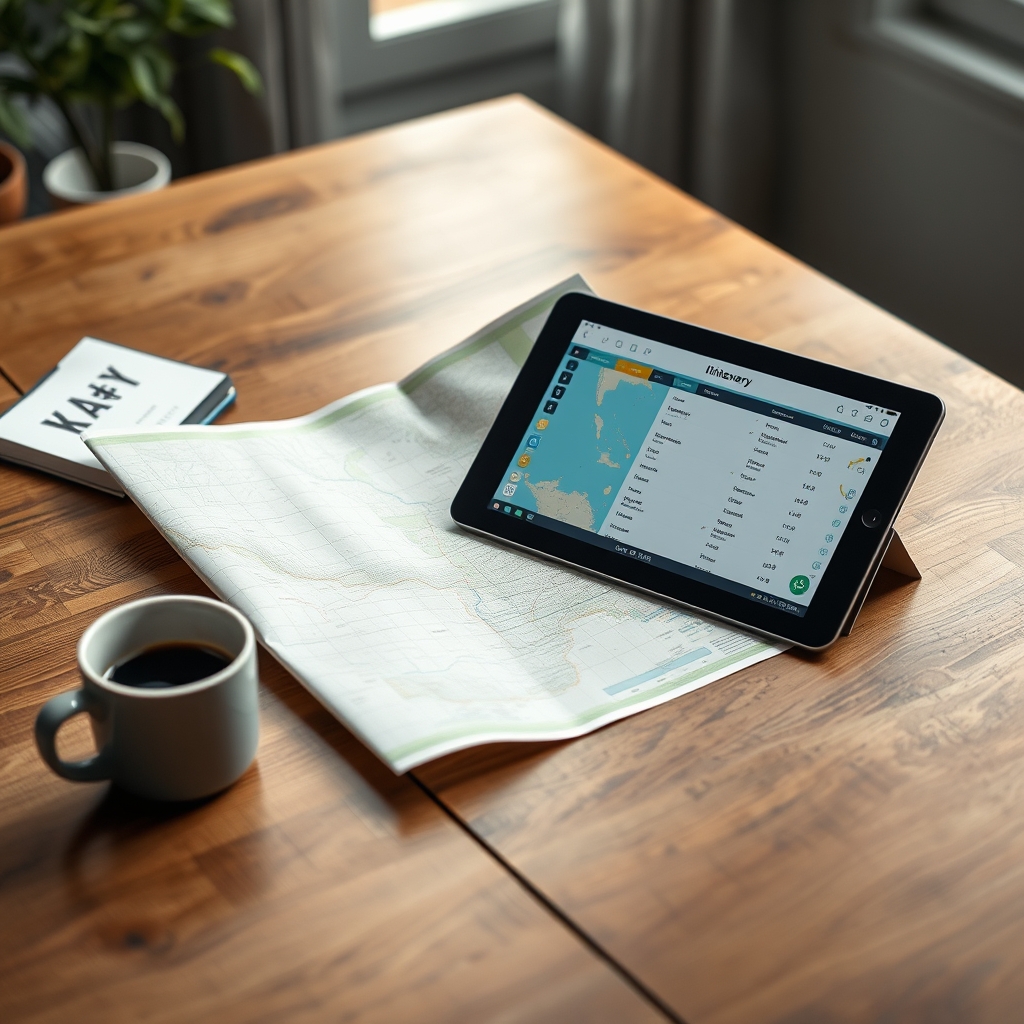
How to Keep Travel Details in One Place
A simple guide to organizing your documents and itinerary for stress-free trips.
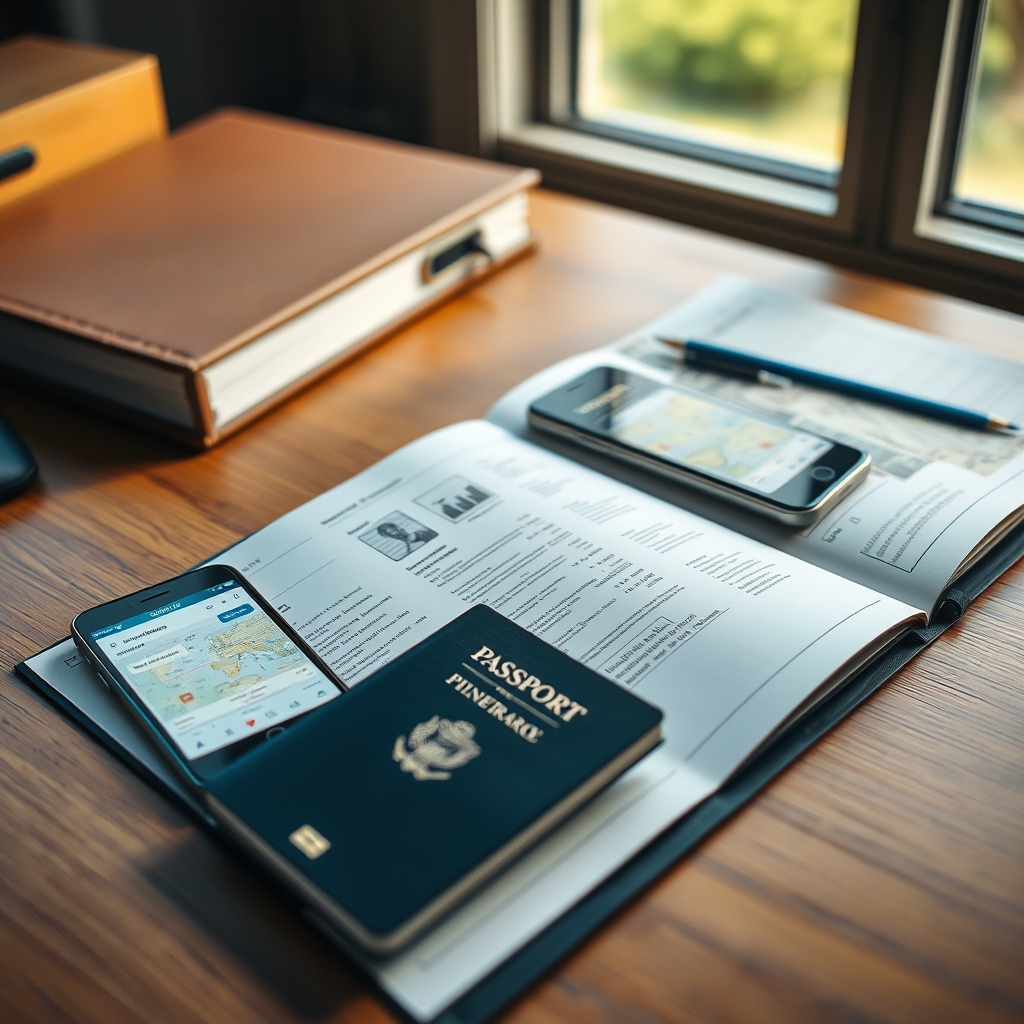
A simple guide to organizing your documents and itinerary for stress-free trips.
KEY TAKEAWAYS- Traveling often involves juggling a passport, multiple flight tickets, hotel confirmations, and a packed itinerary.
- Digital tools offer a convenient way to store and access your travel information from any device.
- While digital tools are powerful, a physical travel binder remains a reliable backup method.
- To ensure you are fully prepared, your travel file should contain more than just your tickets and passport.
Why Consolidating Your Information Matters
Traveling often involves juggling a passport, multiple flight tickets, hotel confirmations, and a packed itinerary. Keeping these details scattered across different apps and emails can lead to unnecessary stress and confusion. A centralized system ensures you have the right information at your fingertips when you need it most.
Having all your travel details in one place also simplifies the check-in process at airports and hotels. It allows you to quickly access emergency contacts or important health information if required. By organizing your data beforehand, you can focus on enjoying your trip rather than searching for lost documents.
Digital Solutions for Travel Organization
Digital tools offer a convenient way to store and access your travel information from any device. Many travelers use dedicated travel apps that allow you to upload and store PDF copies of your passport, visas, and insurance policies. These apps often include features like offline access, which is crucial if you are traveling to areas with poor internet connectivity.
Cloud storage services are another excellent option for keeping your documents safe. You can create a specific folder for your trip and upload all relevant files there. This method ensures your data is backed up and accessible from your smartphone, tablet, or laptop. However, it is important to use strong passwords and enable two-factor authentication to protect your sensitive information from unauthorized access.
The Benefits of a Physical Travel Binder
While digital tools are powerful, a physical travel binder remains a reliable backup method. A simple binder with clear plastic sleeves allows you to keep hard copies of your tickets, boarding passes, and hotel reservations. This method is particularly useful for travelers who prefer to have tangible documents or who may encounter issues with electronic devices.
A physical binder also serves as a great place to keep a detailed itinerary. You can write down flight numbers, hotel addresses, and contact information for your destinations. This can be especially helpful for navigating unfamiliar cities or when you need to show proof of booking to local authorities. Just remember to keep your binder in a safe place, such as a carry-on bag, to prevent loss or damage.
Essential Items to Include in Your Travel File
To ensure you are fully prepared, your travel file should contain more than just your tickets and passport. It is wise to include a printed list of emergency contacts, such as the local embassy, your travel insurance provider, and your family members back home. You should also carry a copy of your travel itinerary, including flight times and hotel addresses.
For international travel, having a color-coded copy of your passport's information page can be very helpful. This allows you to quickly provide details to authorities if your passport is lost or stolen. Additionally, consider including a small notebook for jotting down important notes or addresses during your trip. This ensures you have a record of everything you need, even if your digital devices fail.