
SpaceX's Starship reaches orbit for first time
A major milestone for the massive rocket, though challenges remain for NASA's moon program.
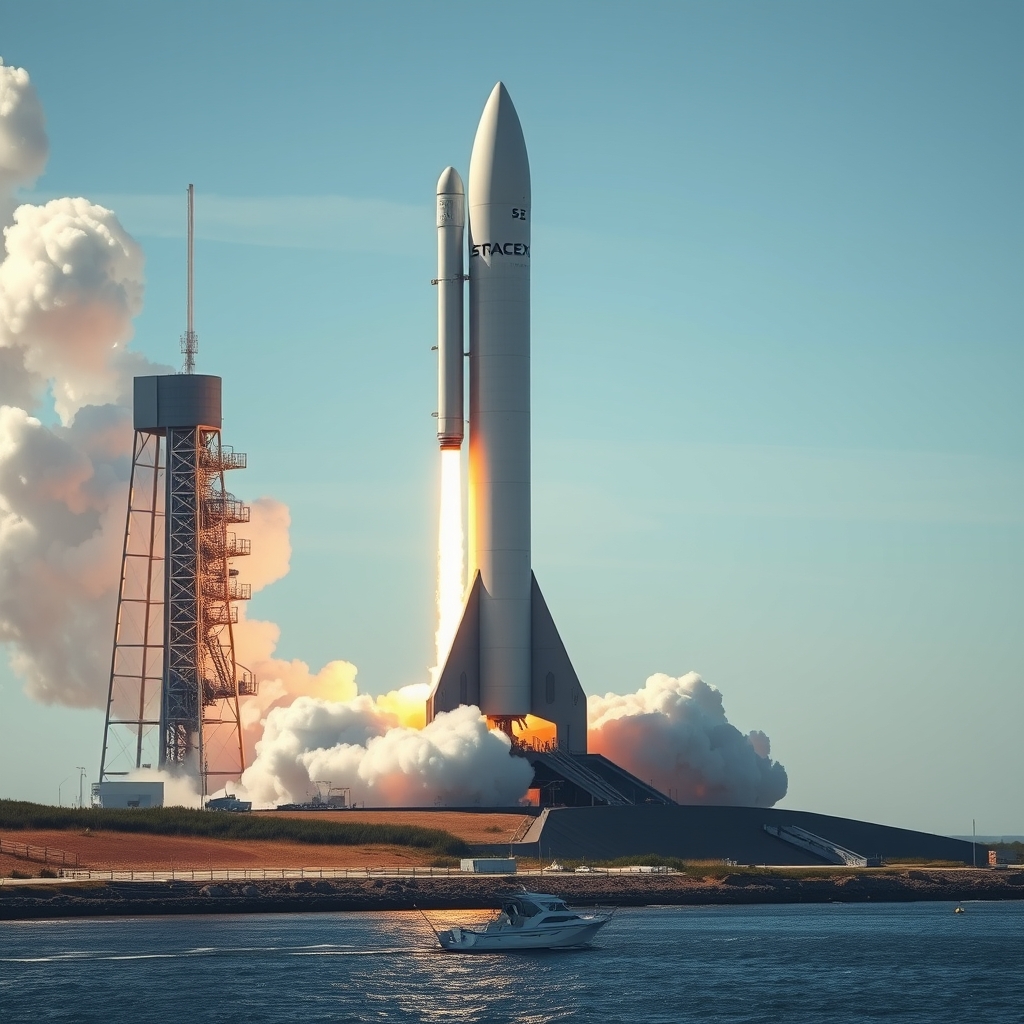
A major milestone for the massive rocket, though challenges remain for NASA's moon program.
KEY TAKEAWAYS- SpaceX launched its Starship rocket on September 28, 2026, achieving Earth orbit for the first time.
- The Starship's upper stage deployed 26 third-generation Starlink satellites into orbit.
- SpaceX aims to use a variant of the Starship for NASA's Artemis moon landing in 2028.
- [france24.
What happened and why it matters
SpaceX launched its Starship rocket on September 28, 2026, achieving Earth orbit for the first time. This milestone is a significant step toward developing the world's most powerful launch vehicle for commercial flights and NASA's Artemis moon program. The flight aimed to demonstrate the rocket's readiness for future missions, including potential crewed trips to the Moon and Mars.
The rocket, standing 400 feet tall, launched from Starbase in Texas. During the ascent, one of the upper stage's engines shut down prematurely. Despite this issue, flight controllers decided to proceed with the mission. The spacecraft successfully completed a second engine firing to reach orbit, marking a critical achievement in the development of the Starship system.
Mission details and technical challenges
The Starship's upper stage deployed 26 third-generation Starlink satellites into orbit. These satellites are designed to expand SpaceX's internet constellation, with each offering ten times the capacity of previous generations. The mission plan called for the spacecraft to orbit Earth six times before deorbiting and splashing down in the Pacific Ocean.
Technical challenges remain before the Starship can be fully operational. The rocket is designed to be reusable, but SpaceX has not yet successfully caught the booster with mechanical arms. This test flight opted for an ocean splashdown instead. Additionally, the spacecraft must demonstrate autonomous orbital refueling, a capability essential for future lunar missions.
Future plans and uncertainty
SpaceX aims to use a variant of the Starship for NASA's Artemis moon landing in 2028. This will require multiple refueling flights to support the lunar lander. However, many observers doubt SpaceX can deliver a tested human landing system by that deadline. NASA is hedging its bets by funding an alternative lander designed by Blue Origin.
The success of this flight has boosted confidence in the Starship's potential. SpaceX plans to continue testing the rocket, including future launches from Florida. The company's ability to meet the 2028 deadline remains uncertain, but the achievement of orbit represents a major step forward in space exploration.
Sources and context
france24.com — SpaceX's supersized Starship rocket reaches Earth's orbit for the first time
cbsnews.com — SpaceX launches Starship on giant rocket's first flight to orbit
Explore more
Find more reporting, explanations and practical guides on UShotNews.